Wholesale Industrial Cut Resistant Gloves Supplier

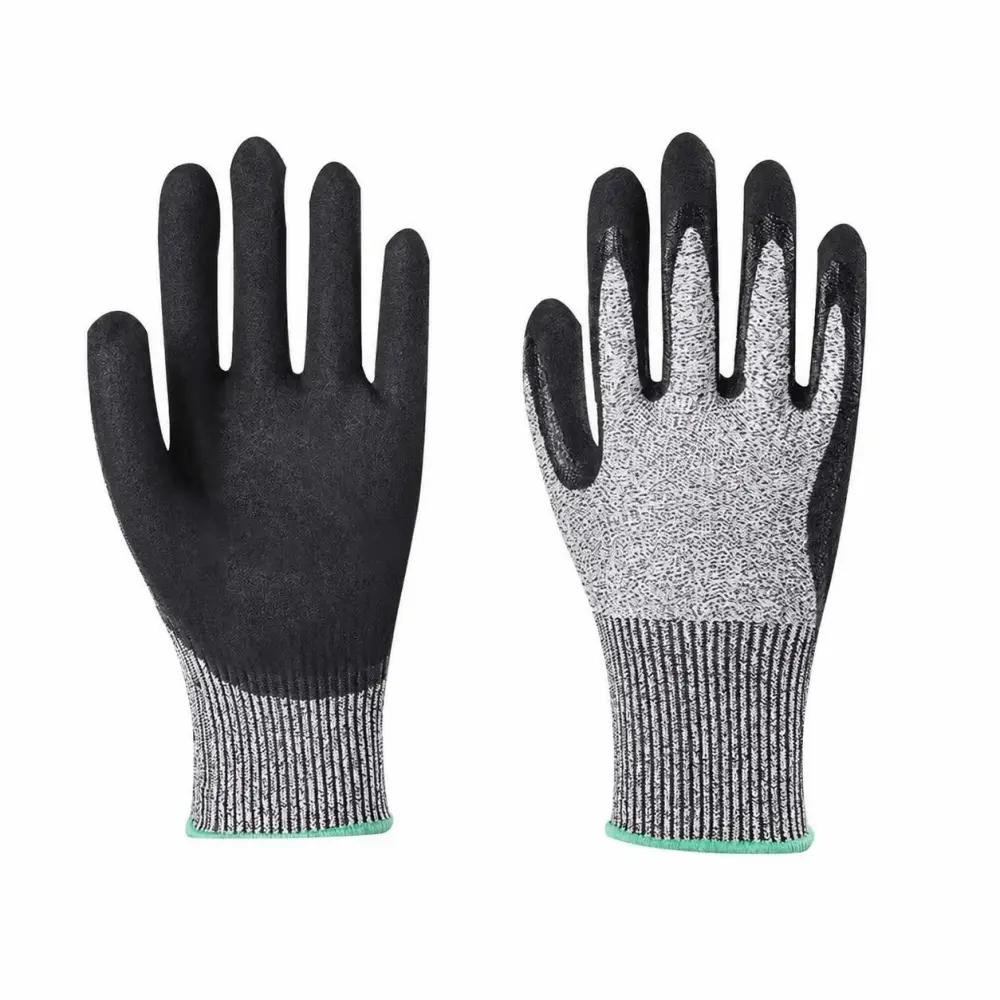
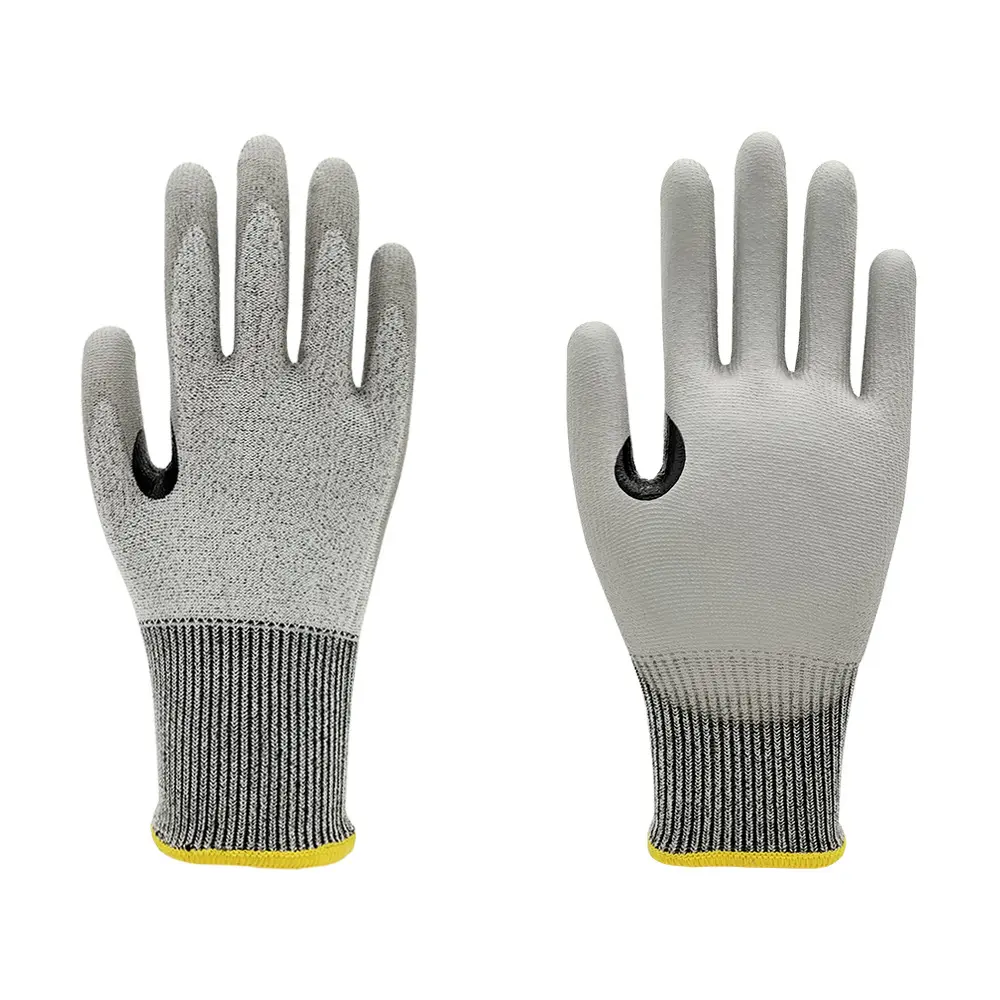
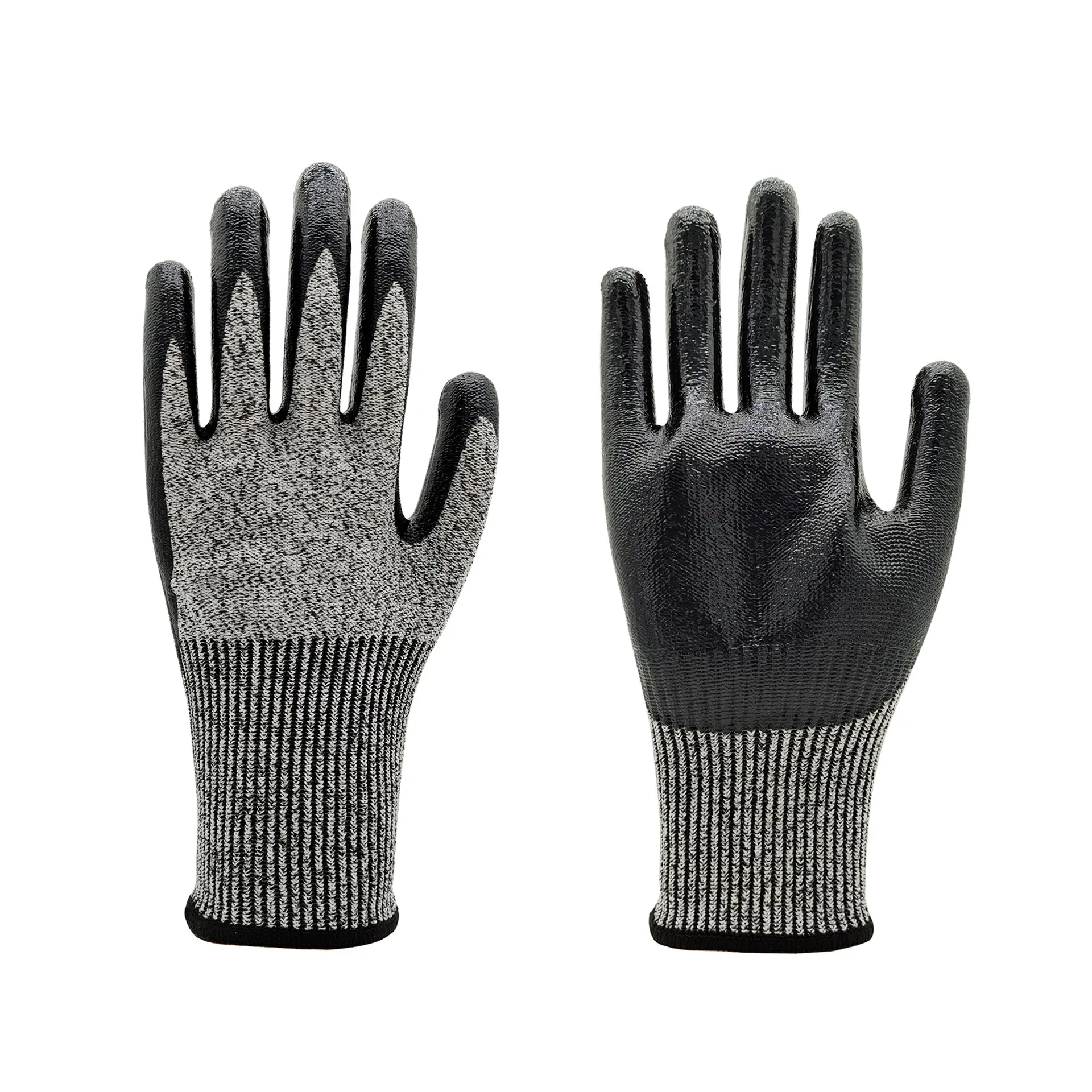
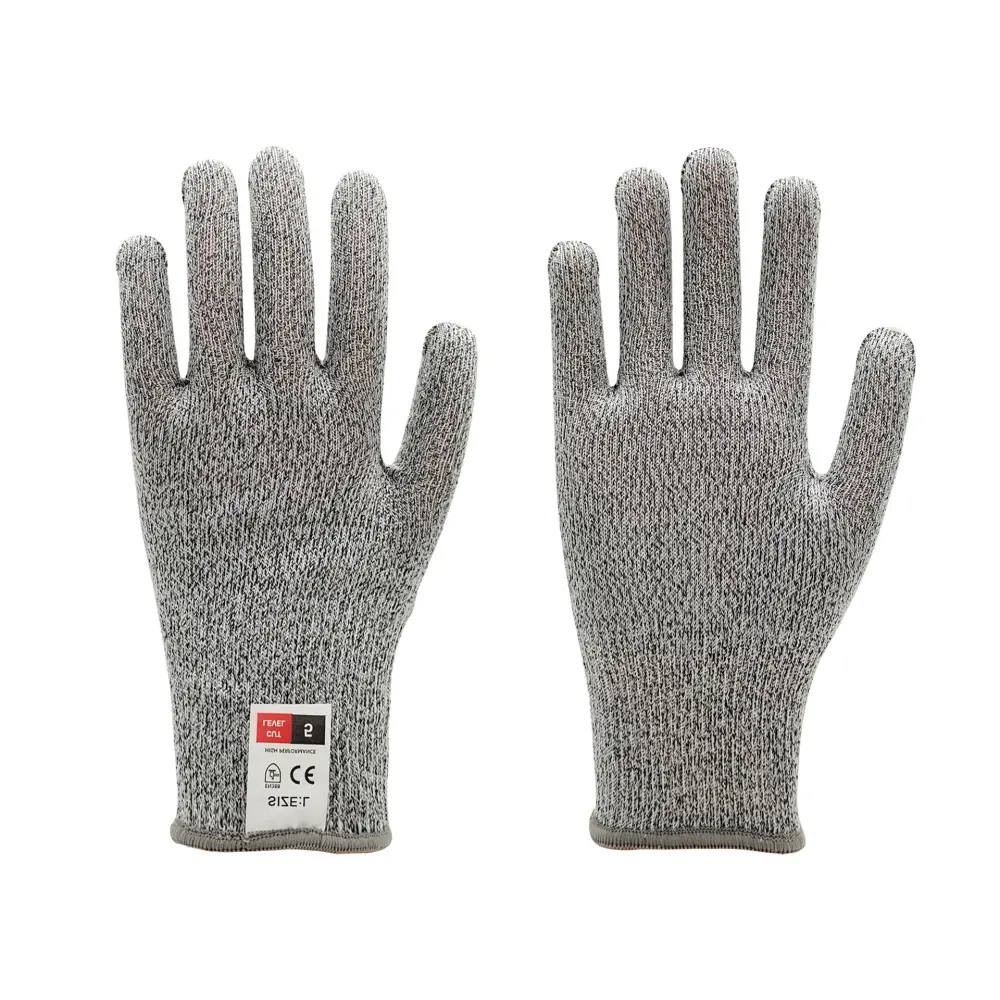
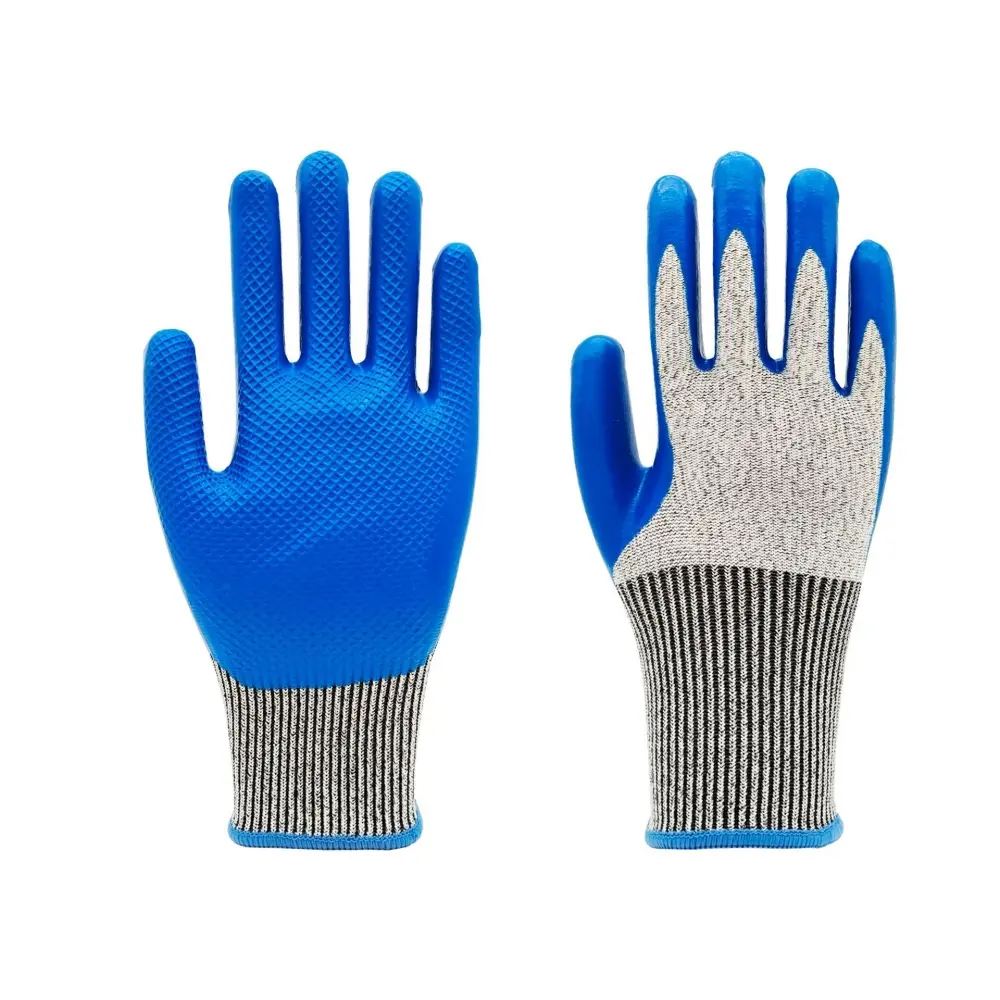
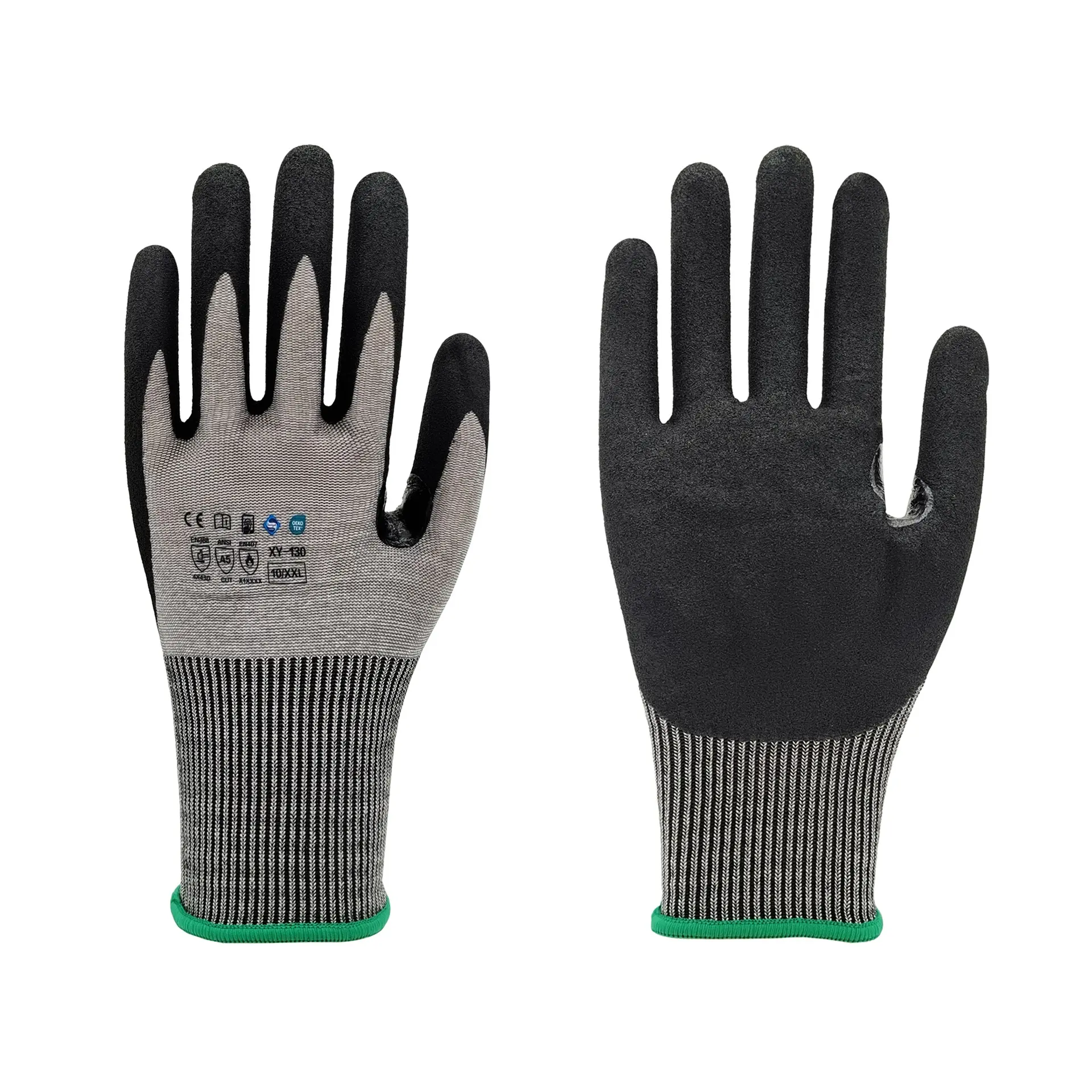
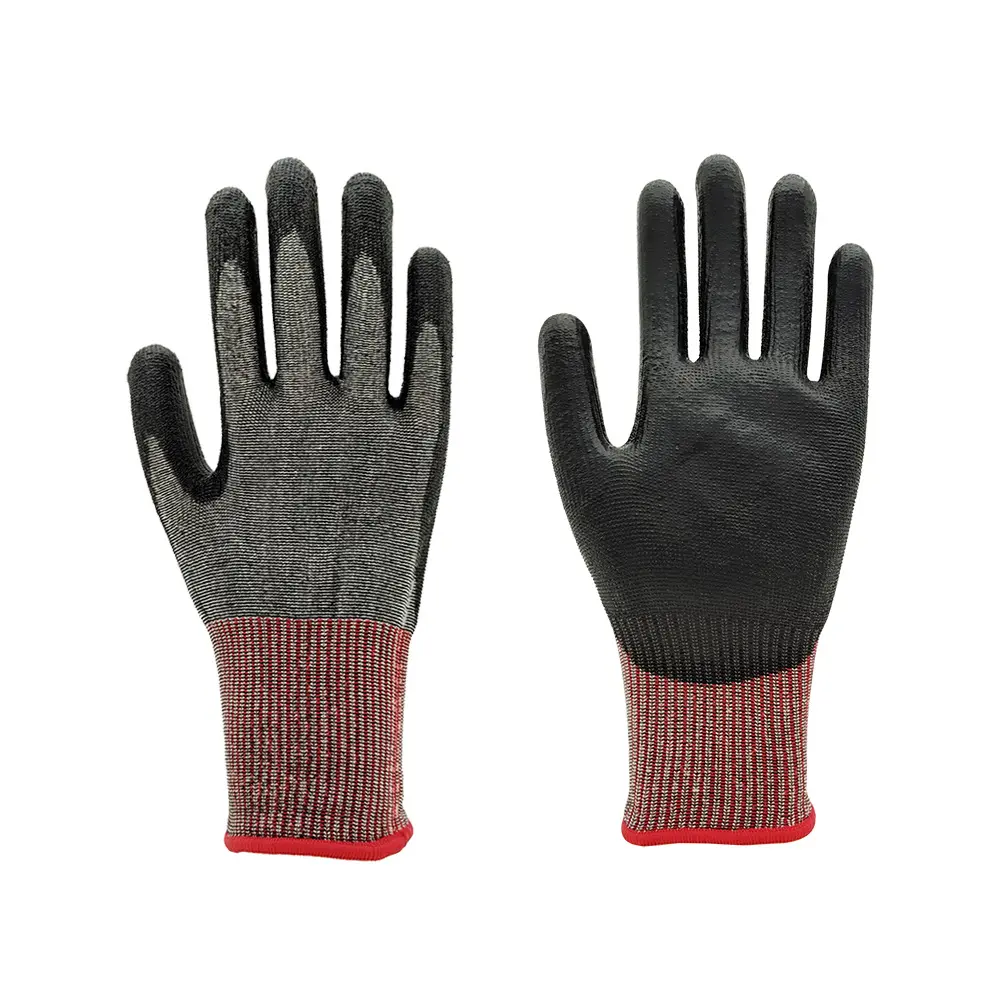
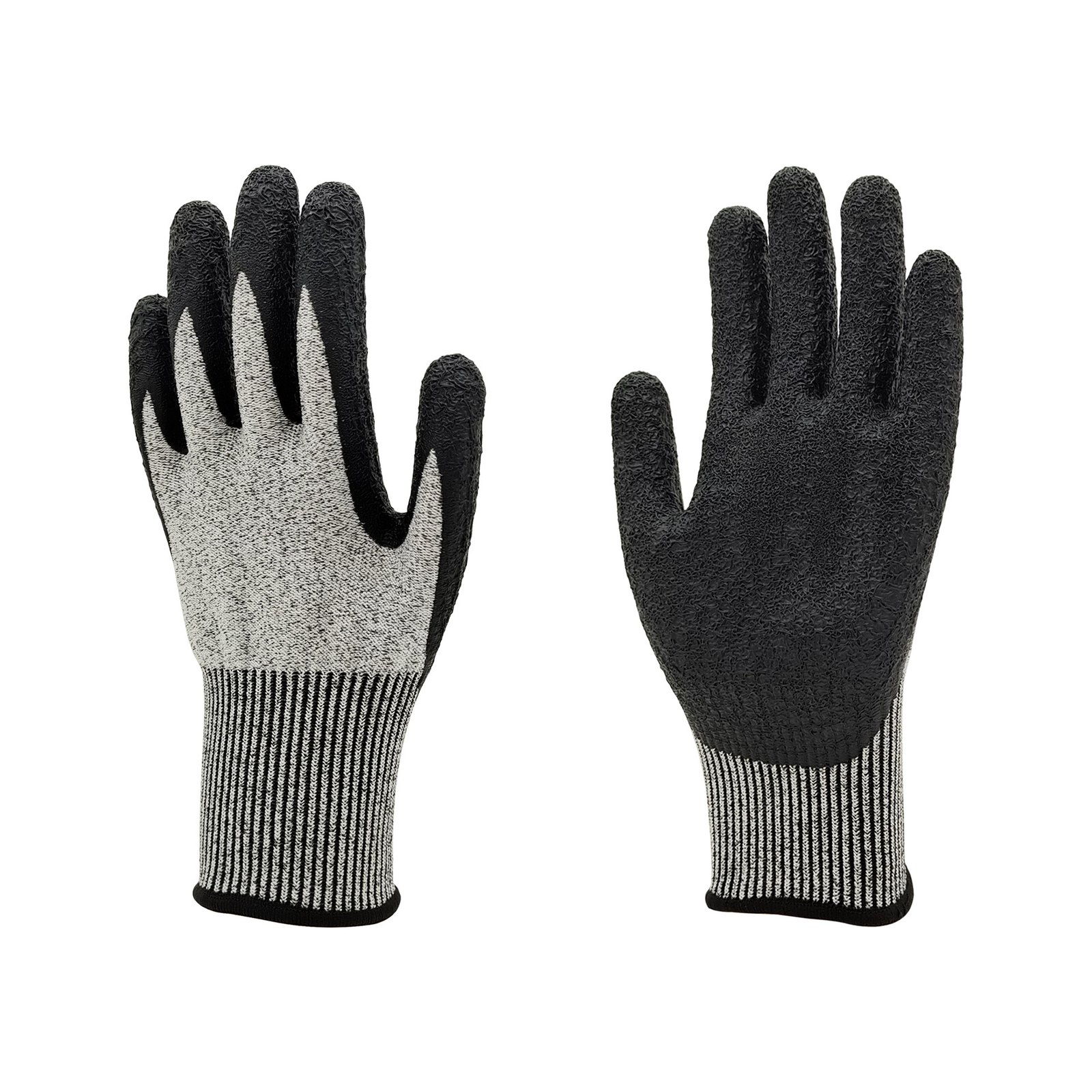
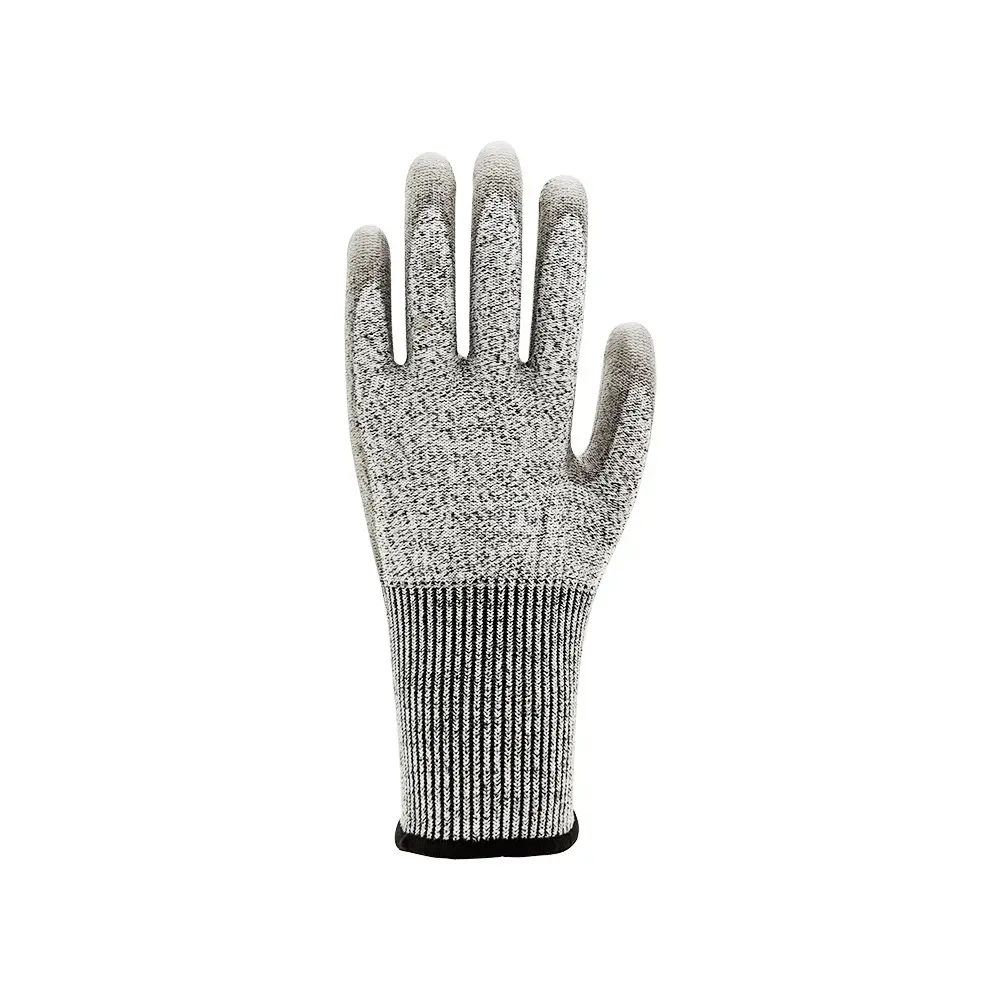
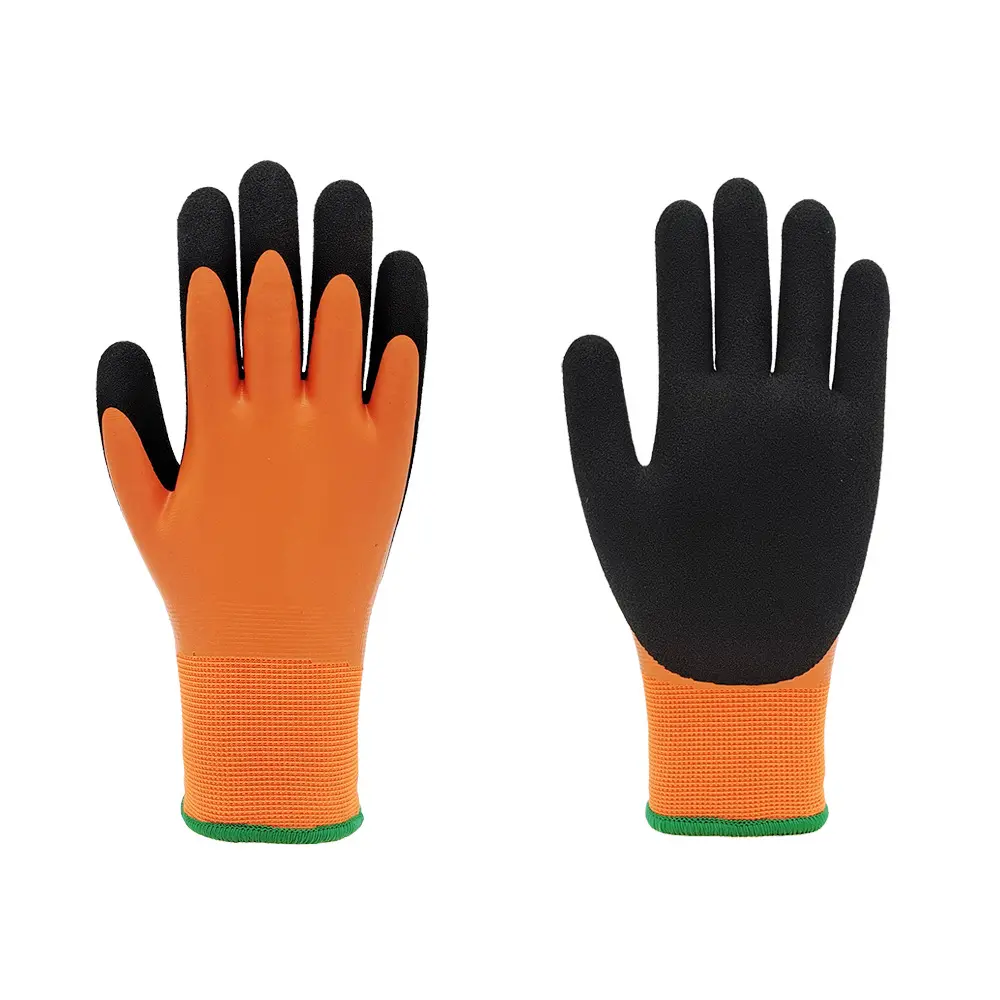
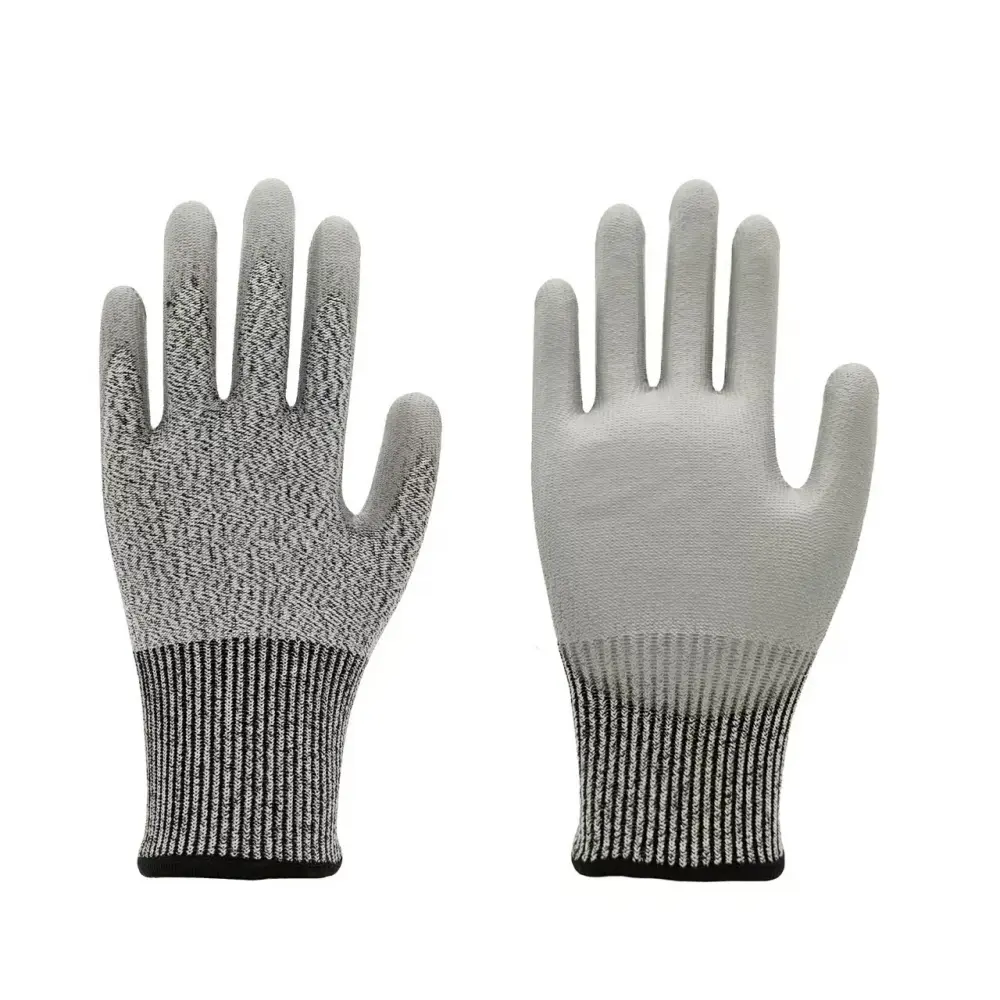
As a leading safety glove manufacturer and wholesale supplier, YUGA SAFE provides industrial-grade cut-resistant hand protection engineered to protect workers across high-risk environments. Built with advanced composite yarns—including High-Performance Polyethylene (HPPE), glass fiber, stainless steel core wire, and Aramid fibers—our cut gloves deliver exceptional defense without compromising tactile precision. Whether you require smooth PU palm coatings for intricate assembly, textured sandy nitrile for oily sheet metal handling, or heavy-duty impact defense, our certified safety gloves ensure ultimate site compliance and long-lasting performance. We offer flexible OEM/ODM customization, private labeling, and direct-factory wholesale pricing for global PPE distributors.

Understanding Hand Protection Ratings: ANSI Cut A2 to A9 & EN388

Selecting the proper cut resistance level is critical to preventing workplace lacerations while maintaining job productivity. ANSI/ISEA 105 standard measures cut hazards from Level A1 (200g cut load) up to Level A9 (6,000g+ cut load). For light assembly and general maintenance, ANSI A2–A3 gloves offer ideal agility and breathable comfort. For high-risk industrial applications—such as automotive metal stamping, raw glass handling, heavy construction, and recycling—ANSI A4 to A9 (and European EN 388 Level C to F) gloves provide high-tensile shielding against razor-sharp edges and severe friction. Explore our certified range below to match your specific safety compliance requirements.

Frequently Asked Questions

What is the difference between ANSI/ISEA 105 and EN 388 cut resistance standards?

ANSI/ISEA 105 is the North American standard, rating cut resistance from A1 to A9 based on blade cutting force in grams. EN 388 is the European standard, utilizing the Coup Test (1–5) and the ISO 13997 TDM test (letters A to F). While both measure cut performance, their scales do not directly translate, so buyers should choose based on local regulatory compliance.

How do I choose the right ANSI cut level for my industrial applications?

ANSI A1–A3 gloves are suitable for light cut hazards such as material handling, packaging, and small parts assembly. ANSI A4–A6 gloves provide mid-to-high protection for metal fabrication, glass handling, and automotive assembly. ANSI A7–A9 levels are engineered for extreme hazard environments, including metal stamping and raw sheet glass processing.

What materials are used to make high-performance cut-resistant gloves?

Our safety gloves utilize advanced high-tenacity yarns including HPPE (High-Performance Polyethylene), Aramid/Kevlar®, glass fibers, and stainless steel wire reinforcements. These shell materials are often paired with polyurethane (PU), nitrile, or sandy nitrile palm coatings to deliver enhanced grip, abrasion defense, and oil resistance.


Are cut-resistant gloves completely "cut-proof"?

No glove is entirely cut-proof. Cut-resistant gloves are engineered to significantly reduce the risk and severity of lacerations and give workers crucial reaction time. They should never be used near high-speed powered serrated blades or rotating machine parts.

Can cut-resistant safety gloves be washed and reused?

Yes, most HPPE and aramid knit gloves are machine washable. We recommend laundering them in cool or warm water with mild detergent and air-drying them. Avoid harsh bleach or high-heat commercial dryers, as extreme temperatures can degrade palm coatings and elastic fibers.

Do you offer custom branding and OEM/ODM options for wholesale cut gloves?

Absolutely. As a direct PPE manufacturer, we offer custom OEM solutions including logo silk-screening, custom cuff color-coding, customized header cards, and private-label packaging for bulk distributor orders with flexible minimum order quantities (MOQs).